
Learn how to fit effective training into your daily routine, so your dog listens, learns, and grows confident even when life gets hectic.
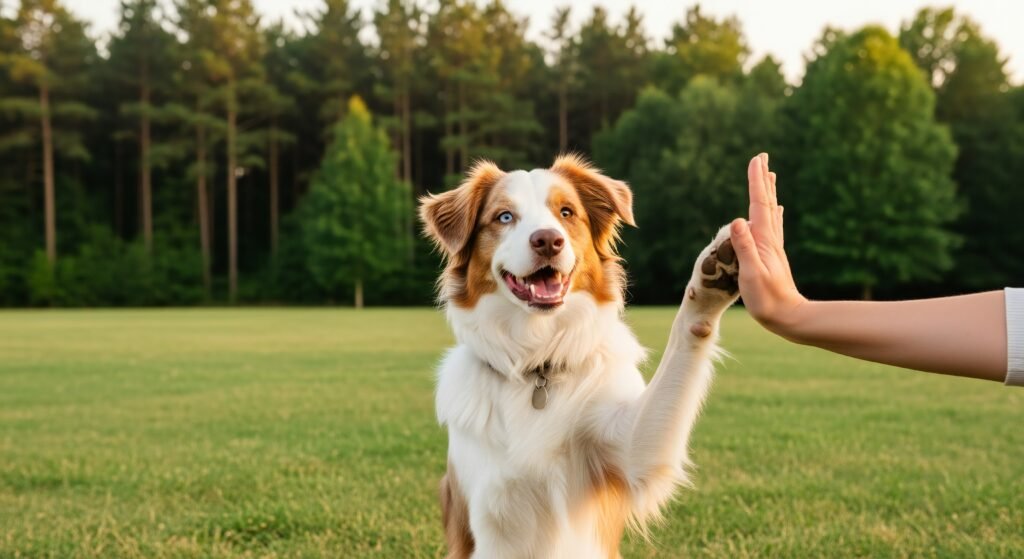

Dog Training Made Simple for Everyday Life
Training your dog doesn’t have to feel overwhelming or like you need to spend hours every day. With practical guidance and simple routines, you can help your dog learn good behavior while keeping life manageable and fun.
Why Training Your Dog Matters
Dog training isn’t just about teaching tricks. It’s about helping your dog understand what you expect, feel safe in your home, and become a happy, confident companion. Good training also makes everyday life easier for both of you.
Start With the Basics
Every dog benefits from the basics:
-
Sit, stay, and come: The foundation for safety and control.
-
Leash manners: Stop pulling, lunging, and frustration on walks.
-
House rules: Clear boundaries at home prevent unwanted behavior.
Focusing on these first makes everything else: tricks, agility, or advanced obedience much easier.
Training That Fits Your Life
Not everyone has hours to dedicate to training every day. Short, consistent sessions, even 5 to 10 minutes at a time can be incredibly effective. Regular practice and positive reinforcement will help your dog learn faster than occasional long sessions.
Positive, Reward-Based Methods That Work
Dogs respond best to kindness, consistency, and rewards. Positive training methods build trust, confidence, and strong bonds, while reducing stress, fear, and resistance. Think treats, praise, and lots of encouragement, not punishment.
Dealing With Common Challenges
Every dog has quirks, and most owners face challenges along the way. Common issues include:
-
Pulling on the leash
-
Excessive barking
-
Jumping on people
-
Ignoring commands
Understanding why your dog behaves this way and responding with practical, patient strategies can solve most problems without frustration or guilt.
Training Puppies vs. Adult Dogs
Training is important at every stage, but approaches differ:
-
Puppies: Focus on socialization, potty training, and basic commands.
-
Adult dogs: Reinforce good behavior, correct habits, and provide mental stimulation.
-
Rescue dogs: Build trust, safety, and confidence at their own pace.
Every dog learns differently, so adapting your approach to your dog’s personality and history is key.
Make Training Part of Everyday Life
Training doesn’t have to happen only during “official” sessions. Incorporate practice into walks, playtime, and daily routines. Praise and reward the behaviors you want to see more of. It’s training without feeling like work.
Start Small, Be Consistent, and Celebrate Progress
Dog training is a journey, not a race. Focus on small wins, celebrate progress, and remember: a calm, confident dog comes from patience, love, and consistent guidance. You’ve got this.